
Seat Ibiza (6F) 2017-2026 Owner's Manual: Jump start
Introduction
For technical reasons, the Seat Ibiza must not be started by towing or pushing the vehicle. Attempting to start the engine in this way can damage vehicle components, particularly those associated with the engine and exhaust gas cleaning system. If the engine cannot be started because the 12-volt battery is discharged, use the approved jump-starting procedure instead of attempting a tow start.
If the Seat Ibiza engine fails to start because the 12-volt battery does not have sufficient charge, the vehicle may be jump-started using the battery of another suitable vehicle. The two batteries are temporarily connected using jump leads, allowing the assisting vehicle to supply the electrical power needed to start the engine. This procedure must be carried out carefully, with particular attention to the correct connection points, cable polarity and the condition of both batteries.
Use jump leads that comply with the DIN 72553 standard and follow the instructions supplied by the cable manufacturer. The conductors must have a cross-sectional area of at least 25 mm² for petrol engines and at least 35 mm² for diesel engines. Cables with an insufficient conductor cross-section may not be suitable for the high electrical current required during engine starting. Before using the leads, verify that their specifications meet the requirements of the vehicles involved.
Make sure the jump leads are equipped with fully insulated terminal clamps and that the insulation covering the cables is intact. Inspect the leads for visible damage, exposed conductors or defective connections before attaching them to either vehicle. Damaged insulation or poorly protected clamps can allow unintended electrical contact, increasing the risk of short circuits, sparks and damage to the vehicle's electrical system.
CAUTION Incorrect jump-starting procedures can cause considerable damage to the Seat Ibiza electrical system and the electronic components connected to it. The batteries must be connected using the correct polarity, suitable jump leads and the specified connection points. Observe the following precautions before attempting to start the engine with an external battery:
- Connecting the jump leads incorrectly can create a short circuit. Always identify the positive and negative terminals before attaching the clamps, and follow the prescribed connection sequence. Never interchange the positive and negative connections or allow the clamps to make unintended contact with conductive vehicle components.
- Use only jump leads fitted with fully insulated clamps. The protective insulation helps prevent accidental contact with metal components and reduces the risk of electrical short circuits while the cables are being connected, used or removed. Do not use cables with damaged or incomplete insulation.
- Do not allow the two vehicles to touch each other during the jump-starting procedure. If their metal bodies are in contact, electrical current may begin to flow as soon as the positive battery terminals are connected. Position the vehicles close enough for the jump leads to reach the specified connection points, but maintain a clear separation between them.
Jump start: description
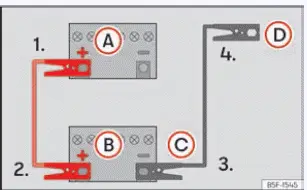
Fig. 152 Wiring diagram for vehicles without a
start/stop system.
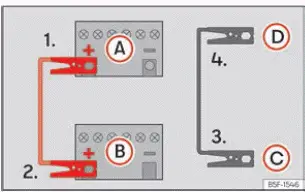
Fig. 153 Wiring diagram for vehicles with a start/
stop system.
- Positive terminal of the discharged battery: The positive (+) connection on the vehicle that requires jump-starting. This is the first connection point for the red jump lead and is identified as A in the wiring diagrams.
- Positive terminal of the assisting vehicle: The positive (+) battery connection on the vehicle supplying electrical power. The opposite end of the red jump lead is attached here, establishing the positive connection between the two vehicles.
- Negative terminal or suitable earth point of the assisting vehicle: The connection point for one end of the black jump lead. Depending on whether the assisting vehicle has a Start-Stop system, this may be the negative battery terminal or an appropriate metal earth point, as shown in the relevant diagram.
- Earth point of the vehicle being jump-started: A suitable grounding connection on the vehicle with the discharged battery. This must be a designated earth terminal, a solid metal component securely attached to the engine block or the engine block itself. The connection must not be made close to the discharged battery.
The discharged 12-volt battery must remain correctly connected to the vehicle's electrical system throughout the jump-starting procedure. Do not disconnect it from the on-board electrical network before attaching the jump leads. The battery and its existing connections must be in a suitable condition for the procedure, and the vehicle's normal electrical connections must remain properly secured.
When attaching the jump leads, ensure that each clamp makes firm contact with the metal surface of the specified terminal or earth point. Poor electrical contact can prevent sufficient current from flowing and may cause excessive heating or sparking at the connection. Check that the clamps are securely positioned and cannot slip off while either engine is being started or running.
Protective gloves and suitable eye protection are recommended whenever working near a 12-volt vehicle battery. Battery electrolyte can cause chemical burns, and gases released by a battery may be explosive under certain conditions. Wearing appropriate protection helps reduce the risk of injury if electrolyte is accidentally released or a battery-related incident occurs.
If the discharged 12-volt battery is fitted with an electrolyte inspection window or sight glass, check the battery's electrolyte condition according to the manufacturer's instructions before attempting to jump-start the Seat Ibiza. Do not proceed if the battery shows signs of damage, leakage or freezing. The battery must be in a condition that allows the jump-starting procedure to be carried out safely.
Jump lead terminal connections
Connect the jump leads strictly in the sequence 1 > 2 > 3 > 4, as illustrated in Fig. 152 and Fig. 153. The order is important because it reduces the risk of accidental short circuits and keeps the final earth connection away from the discharged battery. Identify all four connection points before beginning, and do not attach the cables in a different order.
1. Switch off the ignition in both vehicles before connecting the jump leads. Make sure that neither engine is running and that the vehicles are positioned securely without touching one another. The electrical connections must be established only after the ignition has been switched off.
2. Attach one clamp of the red positive jump lead to the positive (+) terminal of the discharged battery in the vehicle that requires assistance, identified as A in the diagrams. Ensure that the clamp grips the terminal securely and that the exposed metal parts cannot touch any other conductive component.
3. Connect the other end of the red jump lead to the positive (+) terminal of the battery in the vehicle supplying the jump-starting current, identified as B. Check that both positive connections are secure before proceeding with the black negative lead. Do not allow the free end of the cable to touch metal vehicle components while making the connection.
4. Vehicles without a Start-Stop system: Connect one end of the black jump lead, identified as C, to the negative (-) terminal of the battery in the vehicle supplying electrical power. Follow the arrangement shown in Fig. 152 and ensure that the clamp makes reliable contact with the terminal.
Vehicles with a Start-Stop system: Connect one end of the black jump lead, identified as C, to a suitable earth terminal, a solid metal component of the engine block or the engine block itself, as illustrated in Fig. 153. The connection must be made to an appropriate grounding point that provides secure electrical contact. Do not assume that the negative battery terminal is the correct connection point for every vehicle equipped with Start-Stop technology.
5. Connect the remaining end of the black jump lead, identified as D, to a suitable earth point on the vehicle with the discharged battery. This may be a designated grounding terminal, a solid metal component bolted securely to the engine block or the engine block itself. Choose a suitable connection point away from the battery. Do not connect this clamp directly to the negative terminal of the discharged battery or to a point immediately beside it. Keeping the final connection away from the battery reduces the risk of sparks igniting gases that may be present around it.
6. Arrange the jump leads so that they cannot come into contact with moving or rotating components in either engine compartment. Pay particular attention to the routing of the cables near belts, fans and other moving engine parts. The leads must remain securely positioned throughout the starting procedure and must not be pulled into the engine mechanism when either engine begins running.
Starting
1. Start the engine of the vehicle supplying the electrical current and allow it to run at idle speed. Keep the assisting vehicle stationary while its engine is running. The jump leads must remain securely connected, and no part of either cable should be able to contact rotating engine components.
2. Attempt to start the engine of the Seat Ibiza with the discharged battery. Once the engine starts, allow it to run and wait approximately 2 to 3 minutes before disconnecting the jump leads. This provides a short period for the engine to stabilise while the temporary electrical connections remain in place. Do not disconnect the leads immediately after the engine fires.
Disconnecting the jump leads
1. Before removing the jump leads, switch off the dipped-beam headlights if they are illuminated. This helps prepare the vehicle's electrical system for the disconnection procedure and avoids unnecessary electrical loads from the headlights while the temporary battery connection is being removed.
2. In the vehicle that had the discharged battery, switch on the heating or ventilation fan and the heated rear window before disconnecting the cables. These electrical consumers help reduce voltage peaks that may occur when the jump leads are removed. Leave the engine running and ensure that the cables remain clear of all moving parts while preparing to disconnect them.
3. With both engines still running, remove the jump leads in the reverse order to that used during connection. Disconnect the black lead from the earth point on the vehicle that was jump-started first, followed by the black lead from the assisting vehicle. Then remove the red lead from the positive terminal of the assisting vehicle and finally from the positive terminal of the Seat Ibiza. Handle each clamp carefully to prevent accidental contact between the cable ends or with other metal components.
If the engine does not start within approximately 10 seconds of operating the starter, stop the attempt and wait about 1 minute before trying again. Do not operate the starter continuously for an extended period, as repeated prolonged attempts may place unnecessary strain on the starting system. If the engine still fails to start after following the correct procedure, the cause may require professional diagnosis rather than further jump-starting attempts.
WARNING Jump-starting involves high electrical currents, batteries containing corrosive electrolyte and the possible presence of explosive gases. Incorrect connections, unsuitable equipment or careless handling can cause short circuits, burns, battery explosions and serious injuries. Follow the prescribed procedure carefully and observe all safety precautions when working near either vehicle's battery.
- Observe all safety warnings and instructions relating to work in the engine compartment. Before opening the bonnet or handling the battery connections, make sure the vehicle is secured and that you understand the hazards associated with hot engine components, electrical equipment and moving parts.
- The battery supplying the jump-starting current must have the same nominal voltage as the discharged battery, namely 12 volts, and should have a similar capacity. Using an unsuitable battery or a power source with an incorrect voltage can damage the electrical system and may create a risk of explosion. Verify the battery specifications before making any connections.
- Keep flames, lit cigarettes, sparks and all other potential ignition sources well away from both
batteries. Vehicle batteries may release explosive gases, particularly during charging or when high
electrical currents are flowing.
Even a small spark can ignite accumulated battery gases and cause an explosion. Do not smoke near the vehicles during the jump-starting procedure, and avoid any action that could produce sparks around the battery terminals.
- Follow the operating instructions supplied by the jump lead manufacturer. Different cable designs may have specific handling or connection requirements, and these must be observed in addition to the Seat Ibiza jump-starting procedure. Do not use leads that are unsuitable for the vehicles or the required starting current.
- Never connect the negative jump lead directly to the negative terminal of the discharged battery in the vehicle receiving assistance. Sparks produced when making or breaking the connection could ignite explosive gases escaping from the battery. Always use a suitable earth point away from the discharged battery, as specified in the connection instructions.
- Never attach the negative jump lead to fuel system components, fuel lines, brake pipes or other unsuitable parts of the vehicle receiving the jump start. These components are not intended to serve as electrical grounding points and may be damaged by the connection. Use only a suitable earth terminal or an appropriate solid metal part of the engine block.
- Do not touch the uninsulated metal portions of the jump lead clamps while the cables are connected. In particular, the clamp attached to a positive (+) battery terminal must never touch the vehicle body or another metal component. Such contact can cause a short circuit, potentially producing intense sparks, excessive heat or damage to the electrical system.
- Route the jump leads so that they cannot become trapped in belts, fans or other rotating components inside the engine compartment. Remember that some moving parts may begin operating when an engine starts or while it is running. Keep the cables securely positioned and do not allow them to hang loosely near mechanical components.
- Never lean over or rest your body against either battery while making the connections or attempting to start the engine. Battery electrolyte is corrosive, and an unexpected release of electrolyte or an explosion can cause serious burns and other injuries. Maintain a safe working position and use appropriate protective equipment.
- Consult both the jump lead manufacturer's instructions and the owner's manual of the vehicle supplying electrical power. The assisting vehicle may have its own designated battery connection points or special requirements for jump-starting. The instructions for both vehicles must be compatible with the intended procedure and must be followed carefully.
- Before working on the 12-volt battery, discharge any static electricity that may have accumulated on your body. An electrostatic spark can ignite explosive gases in the vicinity of the battery. Avoid actions that could generate static discharge and take particular care when handling the terminal clamps near battery components.
CAUTION Never attempt to jump-start a vehicle if either battery is frozen. A frozen battery may be damaged internally and can explode when electrical current is applied. The danger remains even if the battery has begun to thaw. Escaping electrolyte can cause severe chemical burns to the skin and eyes, and leakage may also damage nearby vehicle components. Do not connect jump leads to a battery that is frozen or suspected of being frozen.
If a 12-volt battery has frozen, it must be replaced rather than used for jump-starting. Do not attempt to restore it by charging it or connecting it to another vehicle after thawing, as internal damage and electrolyte leakage may still be present. Have the affected battery inspected and replaced by qualified personnel using a battery suitable for the Seat Ibiza.
NOTICE After the Seat Ibiza has been started using jump leads, visit a qualified specialist workshop without delay to have the 12-volt battery checked. A discharged battery may require further charging, testing or replacement, and the reason for the loss of charge should be established. A successful jump start does not necessarily mean that the battery has recovered its normal condition or that the underlying cause of the starting problem has been resolved.
 Changing the wiper rear wiper
blades
Fig. 150 Changing the windscreen wiper
blades
The windscreen wiper blades fitted to the Seat Ibiza are supplied with a graphite coating on the rubber wiping
edges. This coating helps t ...

See also:
Honda Civic Service Manual. A/C Compressor Clutch Overhaul (K24Z7)
Disassembly
1.
A/C Compressor Armature Plate
1.
Remove the center nut while holding the armature plate (A) with
the A/C clutch holder (B).
NOTE: Do not hammer or pry on the ...
