
Seat Ibiza (6F) 2017-2026 Owner's Manual: Climatronic controls and functions
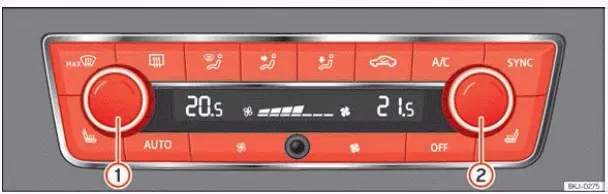
Fig. 80 On the centre console: Climatronic controls.
Temperature 1 / 2
The Climatronic system in the Seat Ibiza allows the driver and front passenger to adjust the temperature on their respective sides of the passenger compartment independently. Use the corresponding temperature adjuster to increase or decrease the desired temperature for each side. The selected values are displayed on the climate control panel, making it easy to check the current settings. This separate temperature adjustment allows both front occupants to choose their preferred level of thermal comfort without necessarily using the same setting.
 Temperature synchronization. This function applies the driver's temperature setting to the
front passenger side, allowing both sides to operate with the same selected temperature. It is useful when
separate climate settings are unnecessary or when the driver wants to control the temperature for the entire
front seating area. To select a different temperature for the passenger side, operate the passenger temperature
regulator. This allows the passenger's preferred temperature to be adjusted independently of the driver's
setting.
 Automatic climate control. In this operating mode, Climatronic automatically regulates the
passenger compartment temperature, fan speed and air distribution to provide the selected level of comfort. The
system coordinates these functions according to the interior climate requirements, reducing the need for the
driver to make individual adjustments during the journey. Automatic operation is particularly convenient when
the surrounding temperature changes or when the passenger compartment needs to reach the selected temperature.
The  automatic mode is
deactivated when the driver manually changes the fan speed, air distribution, windscreen demisting function or
air recirculation setting. Once one of these functions is adjusted manually, the system no longer operates
entirely according to its automatic climate regulation programme. Automatic operation can be selected again
using the corresponding control when the driver wishes to return to automatic temperature, airflow and fan
management.
 Cooling system on/off. Press this button to activate or deactivate the air conditioning cooling
function. When cooling is enabled, the system can reduce the temperature of the air supplied to the passenger
compartment. Switching the function off disables active cooling, although the remaining heating and ventilation
functions can still be used according to the selected settings.
The cooling function also dehumidifies the air passing through the air conditioning system. Removing moisture from the incoming air improves comfort in humid conditions and helps reduce condensation on the vehicle windows. For this reason, cooling can be useful even when the main objective is to clear misted glass rather than lower the temperature inside the Seat Ibiza.
 Fan speed adjustment. Use this
control to increase or decrease the amount of air delivered through the ventilation outlets. A higher fan
setting produces a stronger airflow, while a lower setting provides gentler ventilation. Adjust the fan speed
according to the required heating, cooling or demisting performance and the desired level of comfort inside the
passenger compartment.
 Windscreen defrosting and
demisting. This function is designed to remove ice and condensation from the windscreen as quickly
as possible. When activated, the climate control system directs the required airflow towards the windscreen,
dehumidifies the air and operates the fan at a high speed. The combination of strong airflow and reduced air
moisture helps clear the glass and restore forward visibility. Use this setting whenever the windscreen becomes
misted or frozen and normal ventilation is insufficient to clear it promptly.
 Heated
rear window. The rear window heating function operates only while the engine is running. When
activated, it heats the rear window to help remove condensation or frost that could obstruct the driver's
rearward view. The system switches off automatically after a maximum of 10 minutes, preventing the heating
function from remaining active longer than necessary.
Switch off the heated rear window manually as soon as the glass has cleared sufficiently. Operating the heating function consumes electrical energy, and avoiding unnecessary use reduces the demand placed on the vehicle's electrical system. Lower electrical consumption can also have a favourable effect on fuel consumption, particularly when several electrical consumers are operating simultaneously.
To protect the battery from excessive electrical demand, the Seat Ibiza may temporarily disconnect the rear window heating function automatically under certain operating conditions. This interruption is intended to prevent possible battery-related problems. When normal operating conditions are restored, the function can resume operation without requiring the driver to make additional changes to the climate control settings.
 Air recirculation. Press this button to switch the air recirculation function on or off. When
recirculation is activated, the climate control system primarily reuses air from inside the passenger
compartment instead of continuously drawing in outside air. This can be useful when the driver wants to limit
the entry of unpleasant outside odours or when recirculating cabin air is appropriate for the current climate
conditions. Switch the function off when it is no longer required, as prolonged recirculation can contribute to
window misting.
 Seat heating. This control
switches the corresponding seat heating function on or off, where the vehicle is equipped with heated seats.
Seat heating provides warmth directly to the occupant and can be used alongside the normal passenger compartment
heating system. Operate the control according to the desired level of comfort.
 Switching off
the climate control system. Press this button to deactivate the air conditioning system. When the
system is switched off, its normal climate regulation and ventilation operation are stopped. The system also
switches off if the fan speed is manually reduced to level 0. To resume climate control operation, select the
required operating function or fan setting.
Air distribution
In automatic Climatronic mode, the Seat Ibiza regulates the distribution of air throughout the passenger compartment to maintain a comfortable interior environment. The system determines how the airflow should be directed according to the selected climate settings. If the driver prefers a particular airflow direction, the automatic distribution can be overridden by selecting the corresponding air distribution button on the control panel.
 Airflow towards the upper body. Select this setting to direct ventilation air towards the chest
and upper body area through the corresponding dashboard outlets. It is useful when the occupants want a more
direct supply of heated, cooled or fresh air at upper-body level.
 Airflow towards the
footwell. This setting directs the supplied air towards the lower part of the passenger
compartment, particularly the footwell area. It can be selected when additional airflow around the occupants'
feet and lower legs is preferred, especially during heating operation.
 Airflow towards the
windscreen. Select this distribution setting to direct air towards the front windscreen. This helps
maintain airflow across the glass and can assist in preventing or reducing condensation when the surrounding
conditions make window misting more likely.
 Introduction
Depending on the equipment and specification of the Seat Ibiza, the vehicle may be fitted with one of several
heating, ventilation and air conditioning systems. These systems are designed to regulat ...
 Manual air conditioning controls / Heating and fresh air system
Fig. 81 In the centre console: A — manual air conditioning controls; B — heating and fresh air system
controls.
The Seat Ibiza may be equipped with a manually operated air c ...
See also:
Honda Civic Service Manual. Rear Damper Removal, Installation, and Inspection (Except Natural Gas models)
417105 LEFT
417110 RIGHT
417101 BOTH
1.
Rear Damper Exploded View
Exploded View
se.rlockingum10125mmmminmountingandmountingamanduurrorallandsmeelh
NOTE: Refer to the Exploded View as needed during the following procedures.
...
