
Seat Ibiza (6F) 2017-2026 Owner's Manual: Check and refill the coolant
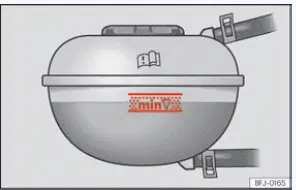
Fig. 169 In the front compartment: marking on
coolant expansion tank.
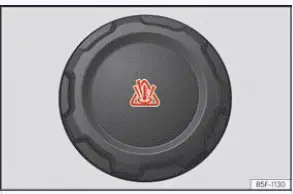
Fig. 170 Front compartment: coolant
expansion tank cap.
Preliminary steps
Before checking or replenishing the engine coolant in your Seat Ibiza, prepare the vehicle and make sure the cooling system has reached a safe temperature. The coolant expansion tank allows the fluid level to be checked without opening the cooling system. Always inspect the level with the engine cold, as coolant expands when heated and the system may remain pressurised after the engine has been switched off.
- Park the Seat Ibiza on a firm, level surface so that the coolant level can be assessed accurately. Secure the vehicle against unintended movement and switch off the engine before beginning the inspection.
- Allow the engine to cool completely. Do not attempt to remove the coolant expansion tank cap while the engine is hot, as the cooling system may contain pressurised coolant capable of causing severe burns.
- Open the front bonnet using the prescribed release procedure. Make sure the bonnet is properly supported before reaching into the engine compartment, and avoid contact with components that may still be hot.
- Locate the engine coolant expansion tank. It can be identified by the coolant symbol displayed on its filler cap, as illustrated in Fig. 170. Confirm that you have located the correct reservoir before checking the level or attempting to add fluid.
Check the level
On a newly delivered Seat Ibiza, the coolant level may initially be above the marked measuring area on the expansion tank. This condition can be normal on new vehicles and does not, by itself, indicate that the cooling system has been filled incorrectly.
There is no need to remove or extract coolant simply because the level on a newly delivered vehicle is above the indicated range. The important consideration during subsequent inspections is whether the coolant level remains within the specified limits under the appropriate checking conditions.
- With the engine completely cold and the vehicle standing on level ground, examine the coolant level through the side of the expansion tank. Use the minimum and maximum markings shown in Fig. 169 as reference points. Under normal checking conditions, the coolant should be visible between these markings. Check the level carefully without opening the expansion tank unnecessarily.
- If the coolant level is below the minimum marking (min), the system requires attention and may need topping up with the specified coolant. Follow the appropriate precautions before opening the reservoir. Remember that coolant expands as its temperature rises, so the level may appear slightly above the upper marking when the engine is warm. A warm-engine reading should not be used as the basis for removing excess coolant.
Topping up the fluid
If the engine coolant level becomes excessively low, the coolant warning light may illuminate to alert the driver to a problem with the cooling system. If this warning appears in your Seat Ibiza, stop the vehicle safely and seek assistance from qualified specialist personnel without delay. A low coolant level may indicate leakage or another fault, and continued engine operation could cause serious damage.
If the coolant level is below the required range and a specialist workshop is not immediately accessible, the following procedure describes the precautions to observe when an emergency top-up is necessary. Only proceed if the engine has cooled completely, some coolant remains visible in the expansion tank, and the reservoir can be opened safely. Adding coolant is not a substitute for identifying and repairing the cause of repeated fluid loss.
- Before touching the expansion tank cap, make sure the engine and cooling system have cooled sufficiently. Place a large, thick, suitable cloth over the cap to protect your face, hands and arms against any residual coolant or steam. Keep your face away from the filler opening while handling the cap.
- Carefully unscrew the coolant expansion tank cap, turning it slowly to allow any remaining pressure to escape gradually. Do not remove the cap abruptly or attempt to force it open if the system is still hot or pressurised. If hot coolant or steam begins to escape, stop immediately and allow the system to cool further.
- Use only fresh engine coolant that meets the specifications approved by SEAT for the vehicle. The replacement fluid must be compatible with the coolant already present in the system. Do not select a coolant solely by its colour or mix the existing fluid with an unapproved additive.
- Only add coolant if some fluid is still visible inside the expansion tank. If the reservoir is completely empty, do not attempt to refill it yourself, as air may have entered the cooling system and the engine could already be at risk of damage. In this situation, do not continue driving the Seat Ibiza. Arrange for the cooling system to be inspected and serviced by qualified specialist personnel.
- If coolant remains visible in the expansion tank, carefully add the approved coolant until the level reaches
the upper marking. Avoid spilling fluid onto surrounding engine components and do not exceed the specified
filling range. Check the coolant level again the following day, preferably with the engine cold and the
vehicle parked on level ground.
If the level has fallen again, have the cooling system inspected by a qualified specialist workshop. Repeated coolant loss may indicate a leak or another fault that cannot be corrected simply by adding more fluid. The cause should be identified and repaired before further damage occurs.
- Make sure the final coolant level is between the minimum and maximum markings on the expansion tank, as shown in Fig. 169. Never fill above the upper edge of the marked area. Sufficient space must remain in the reservoir to accommodate the normal expansion of coolant as the engine reaches operating temperature.
- After topping up, reinstall the expansion tank cap and screw it on firmly until it is properly secured. Check that the cap is correctly seated and that no coolant has been spilled around the filler opening. A securely fitted cap is necessary for the cooling system to operate as intended.
- If the coolant specified by SEAT is unavailable during an emergency, do not substitute another coolant
additive or use a product of uncertain compatibility. In this exceptional situation, top up using distilled
water only, provided that coolant remains in the expansion tank and all other safety conditions have been
met.
As soon as possible, have the correct coolant additive introduced in the required proportion to restore the specified mixture. Adding distilled water reduces the concentration of the existing coolant additive and may affect antifreeze and corrosion protection. The mixture must therefore be corrected promptly by using the appropriate approved product.
WARNING Hot engine coolant and steam can cause severe burns and other serious injuries. The cooling system operates under pressure when the engine is hot, and opening the expansion tank before it has cooled may release scalding liquid or steam without warning. Never attempt to check or replenish coolant by opening a hot, pressurised system.
- Never open the front bonnet if steam or coolant can be seen or heard escaping from the engine
compartment. Such signs may indicate overheating, a pressurised leak or another cooling system
malfunction. Keep a safe distance from the vehicle and wait until the visible and audible discharge has
stopped before approaching the bonnet.
Engine components, coolant hoses and parts of the exhaust system may remain extremely hot even after the engine has stopped. Touching these surfaces can cause painful or severe skin burns. Allow sufficient cooling time before attempting any inspection or maintenance.
- Before opening the front bonnet of the Seat Ibiza, observe the following precautions to reduce the risk
of accidental vehicle movement and injuries in the engine compartment:
- Apply the parking brake securely and make sure the vehicle is stationary on a firm, level surface. The vehicle must remain immobilised throughout the coolant inspection or topping-up procedure.
- Keep children away from the engine compartment at all times. Never leave them unattended near an open bonnet, hot engine components, coolant containers or maintenance equipment. Children may not recognise the danger presented by hot surfaces and toxic automotive fluids.
- When the engine is hot, the cooling system is pressurised and the coolant may be at a temperature capable
of causing severe burns. Never remove the coolant expansion tank cap under these conditions. If the cap
is opened while pressure remains in the system, hot coolant and steam may escape suddenly and cause
serious injuries to the face, hands, arms or other exposed areas of the body.
- Only after the engine has cooled sufficiently, turn the expansion tank cap slowly and very carefully in an anticlockwise direction while pressing it down slightly. Release the cap gradually rather than removing it in one movement, allowing any residual pressure to dissipate safely.
- Always use a large, thick cloth to shield your face, hands and arms from any coolant or steam that may escape while the cap is being opened. Keep your head away from the filler opening and avoid exposing unprotected skin to the reservoir until you are certain that the system is no longer pressurised.
NOTICE When distilled water is required for topping up the cooling system, use only distilled water. Other types of water may contain dissolved minerals and chemical substances that can promote corrosion, encourage deposits and damage internal cooling system components. Such contamination can interfere with the protective properties of the coolant and impair the long-term reliability of the engine cooling system. If non-distilled water has been added, arrange for a qualified specialist workshop to replace the entire coolant mixture immediately with fluid that meets the required SEAT specifications.
- Engine coolant expands as its temperature increases. If the expansion tank is filled beyond the specified marked area while the engine is cold, the additional volume created during heating may force excess coolant out of the system. Escaping fluid can contaminate surrounding components and potentially cause damage to the vehicle. Maintain the correct filling level rather than attempting to maximise the amount of coolant in the reservoir.
- When replenishing the coolant in your Seat Ibiza, never allow the level to rise above the upper edge of
the marked range on the expansion tank, as illustrated in Fig. 169. Add the fluid gradually and check
the level as you proceed to avoid overfilling.
As the engine reaches its normal operating temperature, the coolant expands and requires sufficient space within the expansion tank. If too much coolant has been added, the excess may be expelled from the cooling system as the temperature rises. This can lead to fluid loss, contamination of nearby components and possible vehicle damage.
- If the cooling system has lost a substantial amount of coolant, do not attempt to replenish it until the
engine has cooled completely. A significant loss of coolant may be associated with a leak, and opening
the system while it remains hot can expose you to pressurised steam or fluid.
Unusually rapid or repeated coolant loss may indicate leakage from the cooling system or another malfunction requiring professional attention. Simply topping up the expansion tank will not correct the underlying cause.
Arrange for the Seat Ibiza to be inspected by a qualified specialist workshop as soon as possible. Continued operation with insufficient coolant or an unresolved leak can lead to overheating and serious engine damage. Do not continue driving if the coolant level cannot be maintained safely.
- Never add coolant if the expansion tank is completely empty. An empty reservoir may indicate that a
considerable quantity of coolant has escaped and that air has entered the cooling system. Under these
conditions, adding fluid directly to the reservoir may not restore proper coolant circulation or remove
trapped air. Do not attempt to restart or continue driving the vehicle; seek assistance from qualified
specialist personnel.
Operating the engine with insufficient coolant or air trapped in the cooling circuit can prevent effective heat transfer and may cause overheating or extensive mechanical damage. The cooling system must be inspected and any necessary repairs and filling procedures completed before the vehicle is returned to service.
- Whenever checking, replenishing or replacing operating fluids, make certain that each product is poured into the correct reservoir or filler opening. Different vehicle systems require fluids with specific properties, and using the wrong fluid can cause serious malfunctions or permanent damage. Before opening a filler cap, positively identify the reservoir and confirm that the fluid meets the applicable specification for your Seat Ibiza. Never rely on the appearance of a container or the colour of a fluid alone when determining whether it is suitable.
 Introduction
Maintenance and repair work on the engine cooling system of your Seat Ibiza should only be undertaken if you
understand the procedures involved, are familiar with the applicable safety precautions, ...
 Brake fluid
Check and refill the brake fluid
Fig. 171 Engine compartment: brake fluid
reservoir cap.
Checking the brake fluid level
The brake fluid level in your Seat Ibiza must remain between the ...
See also:
Honda Civic Owners Manual. About Open Source Licenses
To see the open source license information, follow these steps.
Models with color audio system
Press the MENU/CLOCK button.
Rotate to select
Settings, then press .
Rotate to select OSS
Licenses, then press .
Models with Display Audio
Select .
Select Settin ...
