Seat Ibiza (6F) 2017-2026 Owner's Manual: Brake fluid
Check and refill the brake fluid
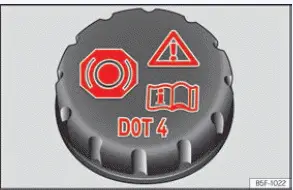
Fig. 171 Engine compartment: brake fluid
reservoir cap.
Checking the brake fluid level
The brake fluid level in your Seat Ibiza must remain between the
 and
 markings on the reservoir. Check the level
regularly with the vehicle parked on a firm, level surface. The fluid should be visible within the specified
range, and any unusual change in its level should be investigated rather than ignored. Maintaining the correct
quantity of brake fluid is essential for the hydraulic braking system to operate as intended.
If the brake fluid level falls noticeably over a short period or drops below the
 marking, there may be a
leak or another fault within the braking system. A rapid reduction in fluid level is particularly concerning
because it may indicate that hydraulic fluid is escaping from the system, potentially compromising braking
performance.
Seek assistance from a qualified specialist workshop if the brake fluid level is abnormally low or continues to decrease. The Seat Ibiza is equipped with a warning system that monitors the brake fluid level and can alert the driver through a warning lamp in the instrument cluster. Do not rely solely on the warning lamp as a substitute for regular inspection, since a developing problem may require attention before a warning appears.
 Brake fluid
level
The corresponding warning lamp illuminates red in the instrument cluster. A red brake fluid warning must be treated as a serious indication that the braking system requires immediate attention.
This warning indicates that the brake fluid level is too low. Insufficient brake fluid may affect the hydraulic pressure required for effective braking and could indicate a leak or another malfunction. Continuing to drive without identifying the cause may be dangerous.
 Stop
driving! Bring the vehicle to a safe stop as soon as conditions permit. Do not continue the
journey while the brake fluid warning remains active and the cause has not been established.
- Check the brake fluid level in the reservoir, taking care to observe the appropriate safety precautions when opening the bonnet. Compare the visible fluid level with the minimum and maximum markings and look for any obvious signs of fluid loss.
- If the brake fluid level is below the specified minimum, seek assistance from qualified specialist personnel. Do not attempt to compensate for a suspected hydraulic leak simply by adding fluid. The braking system must be inspected and the underlying fault corrected before the vehicle is driven again.
Changing brake fluid
SEAT recommends having the brake fluid replaced by an authorised Technical Service or a suitably qualified specialist workshop. Brake fluid replacement requires the correct fluid specification and proper servicing of the hydraulic system. During the procedure, care must be taken to prevent contamination and ensure that air does not remain trapped in the brake circuits. A professional service can carry out the replacement using appropriate equipment and confirm that the braking system operates correctly afterwards.
WARNING An insufficient brake fluid level, the use of unsuitable fluid or brake fluid that has deteriorated with age can seriously impair braking performance. Under certain conditions, the braking system may lose effectiveness or fail completely, increasing stopping distances and creating a risk of severe accidents and injuries. Brake fluid must meet the specified quality requirements and be maintained in suitable condition.
- Have the braking system inspected regularly and check the brake fluid level as part of routine vehicle maintenance. Pay attention to changes in braking performance, warning indications and any unexpected reduction in the fluid level. A suspected fault in the hydraulic braking system must be investigated promptly by a qualified specialist.
- Brake fluid is exposed to considerable heat during braking, particularly when the brakes are used
repeatedly or subjected to heavy loads. As brake fluid ages and its properties deteriorate, it may
become more susceptible to vapour formation at elevated temperatures. Under demanding braking
conditions, vapour bubbles can develop within the hydraulic system.
Unlike liquid brake fluid, vapour can be compressed. The presence of vapour bubbles therefore reduces the effectiveness with which hydraulic pressure is transmitted to the brakes. This can significantly weaken braking performance, increase the distance required to stop the vehicle and, in extreme cases, result in complete brake system failure. Replacing deteriorated brake fluid at the appropriate intervals is essential for maintaining reliable braking under demanding conditions.
- Always use brake fluid that meets the required specification for the Seat Ibiza. The prescribed standard is VW 501 14, and the fluid used must expressly comply with this requirement. Do not select a replacement solely because it is labelled as a general-purpose brake fluid or appears similar to the original product. Correct fluid quality is essential for the hydraulic system's performance and reliability.
- Brake fluid complying with VW 501 14 can be obtained from an authorised SEAT dealership or SEAT Official Service. If fluid meeting this specification is unavailable, use only high-quality brake fluid that complies with DIN ISO 4925 CLASS 4 or the United States FMVSS 116 DOT 4 standard, as specified by SEAT. Check the product information carefully before use and do not substitute fluids of uncertain specification or quality.
- Any brake fluid used for replacement must be new and uncontaminated. Do not reuse fluid that has been drained from the braking system or use fluid whose condition cannot be verified. Contaminated or deteriorated brake fluid may compromise hydraulic operation and reduce the reliability of the braking system.
- Keep brake fluid in its original container with the cap securely closed, and store it in a safe location out of the reach of children. Brake fluid is harmful if swallowed and must never be transferred into drinking bottles, food containers or other packaging that could be mistaken for something intended for consumption. Handle the product carefully and follow the safety information provided by its manufacturer. There is a serious risk of poisoning if brake fluid is ingested.
NOTICE Brake fluid can damage the paintwork and protective surface finishes of your Seat Ibiza. Avoid spilling it when inspecting or servicing the reservoir, and do not allow the liquid to remain in contact with painted body panels. If brake fluid is accidentally spilled, remove it promptly using an appropriate cleaning procedure to minimise the risk of surface damage. Take particular care when handling containers or working near painted components in the engine compartment.
Note
Brake fluid is an environmental pollutant and must not be discharged onto the ground, into drainage systems or into natural water sources. Its chemical composition requires careful handling during replacement and disposal. Collect any spilled or drained brake fluid in a suitable container and prevent it from contaminating the surrounding area.
Have used brake fluid and contaminated cleaning materials disposed of by a qualified professional or an authorised waste collection facility. Proper collection and disposal help prevent environmental contamination and ensure that automotive service fluids are handled in accordance with the applicable regulations.
 Check and refill the coolant
Fig. 169 In the front compartment: marking on
coolant expansion tank.
Fig. 170 Front compartment: coolant
expansion tank cap.
Preliminary steps
Before checking or replenishi ...
 Windscreen washer reservoir
Checking the level of the windscreen
washer reservoir and refilling it
Fig. 172 In the engine compartment: blue cap
of the windscreen washer reservoir
Check the fluid level in the w ...
See also:
Honda Civic Service Manual. HFL Switch Removal, Installation, and Test
0521B0
Removal
NOTE: SRS components are located in this area. Review the SRS component
locations and the precautions and procedures before doing repairs or service.
1.
Battery Terminal (SRS) - Disconnection
...
