
Seat Ibiza (6F) 2017-2026 Owner's Manual: Installing a rear carrier system or a bicycle rack on the trailer hitch
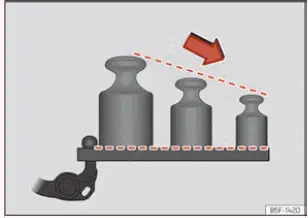
Fig. 143 Recommended weight distribution on
the rear carrier system.
Rear carrier systems are accessories designed to transport additional equipment behind the Seat Ibiza using the vehicle's trailer hitch as their mounting point. Common examples include hitch-mounted bicycle racks and multipurpose cargo boxes. These systems provide an alternative to carrying bulky items inside the luggage compartment or on the roof, but their installation places additional weight and mechanical forces on the towing bracket. The suitability of the carrier and the distribution of its load must therefore be considered carefully before use.
Only install rear carrier systems that the respective manufacturer has expressly approved for the specific vehicle model, model year and vehicle version. Compatibility must be confirmed for the actual Seat Ibiza configuration rather than assumed from the appearance or dimensions of the trailer hitch. A carrier designed for another vehicle or towing arrangement may not provide the correct attachment or comply with the applicable loading restrictions. Check the manufacturer's compatibility information before purchasing or fitting the equipment.
SEAT recommends using genuine SEAT replacement parts and accessories, which are available through authorised SEAT dealerships. These products are intended for use with compatible vehicle configurations and should be selected according to the equipment fitted to the vehicle. Regardless of the carrier system chosen, follow the manufacturer's installation instructions carefully. Ensure that all mounting components are correctly positioned and securely fastened, and check that the carrier is properly attached to the trailer hitch before placing any load on it.
The total load imposed by a rear carrier system consists of two separate elements: the weight of the carrier itself and the weight of the bicycles, luggage or other objects transported on it. Both must be included when calculating the load applied to the towing bracket. For example, when determining whether a bicycle rack can be used within the permitted limits, the weight of the empty rack must be added to the combined weight of all bicycles and any equipment remaining attached to them. The carrier's own weight reduces the amount of additional cargo that can be transported.
The recommended maximum load capacity for a rear carrier system mounted on the trailer hitch may differ from the maximum vertical load permitted on the vehicle's coupling device. These ratings describe related but distinct limitations. The towing bracket's vertical load rating specifies the maximum downward force permitted at the coupling, while the rear carrier's recommended capacity also takes account of the particular loading arrangement and the forces created by cargo positioned behind the tow ball. Consequently, a carrier must not automatically be loaded up to the vehicle's maximum coupling load.
Under no circumstances may the maximum permitted vertical load on the trailer hitch be exceeded. This limit depends on the specific vehicle model and must be checked in the Seat Ibiza documentation. Even if the rear carrier manufacturer specifies a higher carrying capacity, the maximum vertical load authorised for the vehicle remains binding. Where the carrier system has a lower permitted capacity, that lower limit must also be respected. The complete installation must remain within every applicable weight restriction.
The effective carrying capacity of a hitch-mounted rear carrier decreases as the load is positioned farther away from the tow ball. This occurs because of the lever effect: weight supported at a greater distance from the ball head produces a larger turning force on the towing bracket. As a result, the same load can place greater mechanical stress on the mounting arrangement when carried farther behind the vehicle. The permitted capacity must therefore be assessed together with the carrier's dimensions and the position of the transported objects, rather than by weight alone.
Position the heaviest objects as close as possible to the trailer hitch, following the recommended arrangement illustrated in Fig. 143. When using a bicycle rack, place heavier bicycles in the positions nearest the vehicle whenever the carrier design and manufacturer's instructions allow it. Keeping the greatest weight close to the ball head reduces the lever effect and helps limit the forces transmitted to the towing bracket. All objects must also be secured correctly so that they cannot shift during acceleration, braking or cornering.
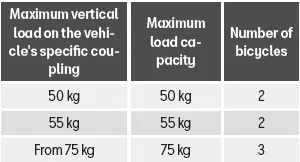
Maximum load capacity depending on the vehicle
To determine the recommended maximum load capacity of a rear carrier system for your Seat Ibiza, first identify the maximum vertical load permitted on the vehicle's coupling device. This value is specified in the relevant vehicle documentation and provides the basis for selecting the applicable carrier loading limit. The recommended capacity must then be checked against the corresponding information in the following table. Remember that the weight of the carrier itself forms part of the total load and that the permitted value must not be exceeded when the carrier is fully loaded.
In accordance with the UN-R-55 regulation, SEAT recommends that the number of bicycles transported on a rear carrier system should not exceed the recommended quantity for the relevant installation. The number of bicycles that can be carried depends on the permitted load capacity and the configuration of the carrier. Even when the combined weight of the bicycles appears to be within the applicable limit, the recommended number of bicycles must still be observed. Always consider both the total weight and the position of the load on the trailer hitch.
Maximum load overhang of the rear carrier system
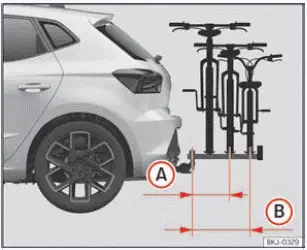
Fig. 144 Schematic representation of the
maximum load overhang of a bicycle rack for two
or three bicycles.
- With a load capacity of up to 55 kg: The maximum permitted overhang is 500 mm (approximately 19.7 in). This dimension is measured from the centre of the trailer hitch ball head to the centre of the rail supporting the bicycle farthest from the vehicle. The shorter overhang limits the distance at which the load acts on the towing bracket and must be respected when using the corresponding rear carrier configuration.
- With a load capacity of 75 kg: The maximum permitted overhang is 700 mm (approximately 27.6 in). This measurement is also taken from the centre of the tow ball to the centre of the outermost bicycle support rail. The greater permitted distance applies to the specified carrier capacity and must not be assumed to be suitable for vehicles or installations with a lower authorised load rating.
For a bicycle rack designed to carry two bicycles, the maximum overhang must not exceed 500 mm, measured from the centre of the tow ball to the centre of the support rail farthest from the Seat Ibiza, as indicated by dimension A in Fig. 144. For a three-bicycle rack, the corresponding maximum distance is 700 mm, shown as dimension B in the illustration. These measurements define how far the load may extend behind the coupling point and are intended to limit the additional forces created by the lever effect. The applicable overhang limit must be observed together with the permitted load capacity and the manufacturer's installation requirements. A carrier that extends beyond the authorised distance must not be used, even if the total weight of the bicycles is below the maximum permitted load.
WARNING Incorrect selection, installation or use of a rear carrier system mounted on the trailer hitch can cause the carrier or its load to become unstable or detach from the vehicle. The additional weight behind the Seat Ibiza and the forces generated during driving can place considerable stress on the towing bracket, particularly when the load is positioned far from the tow ball. If the carrier is unsuitable, incorrectly secured or overloaded, bicycles or other transported objects may fall onto the road, potentially causing an accident and serious injuries. Always use a compatible carrier system, follow the installation instructions and observe the applicable loading and overhang restrictions.
- Make sure that the rear carrier system is suitable for the specific Seat Ibiza model, model year and vehicle version. Check that the manufacturer has approved the carrier for the installed towing bracket and that the carrier's permitted load capacity is compatible with the vehicle's maximum vertical coupling load. Do not use equipment whose compatibility or load rating cannot be confirmed.
- Read and follow all installation and operating instructions supplied by the rear carrier manufacturer. Pay particular attention to the correct positioning of the attachment mechanism, the fastening procedure, the permitted load and the required checks before driving. Ensure that the carrier is securely attached to the trailer hitch and that all bicycles or other objects are restrained using the fastening equipment intended for the system.
- Never attach a rear carrier system beneath the ball head of the trailer hitch. Because of the shape of the coupling, a carrier mounted in this position may slip or become detached when subjected to the forces generated during driving. The carrier must be installed only in the position and manner specified by its manufacturer, using the approved attachment arrangement for the tow ball.
Note Before setting off with a rear carrier system fitted to the Seat Ibiza, SEAT recommends removing as many detachable accessories as possible from the bicycles or other objects being transported. Items that are not essential for securing or transporting the load add unnecessary weight and may affect how the carrier behaves while driving. Removing them can reduce the load placed on the towing bracket, improve the aerodynamic characteristics of the installation and help keep the combined centre of gravity in a more favourable position.
Examples of accessories that should be removed whenever practical include bicycle baskets, panniers, child seats and removable batteries. These components can increase the weight of individual bicycles and may position additional mass farther from the trailer hitch. Removing them before transport helps reduce the overall load and can improve the weight distribution of the rear carrier system. It also reduces the number of separate items exposed to airflow and movement while the vehicle is travelling.
 Stabilisation of the towing vehicle
and trailer combination
The stabilisation function for the towing vehicle and trailer combination is an additional feature of the Seat
Ibiza electronic stability control system (ESC). It is designed to assist the driver wh ...
 Retrofitting a towing bracket
Fig. 145 Towing device: dimensions and
attachment points.
Distance measurements:
Attachment points: Designated mounting locations on the underside of the Seat Ibiza where
the to ...
See also:
Honda Civic Owners Manual. Traction
The traction grades, from highest to lowest, are AA, A, B, and C.
Those grades represent the tire's ability to stop on wet pavement
as measured under controlled conditions on specified
government test surfaces of asphalt and concrete. A tire marked
C may have poor traction performance.
...
