
Seat Ibiza (6F) 2017-2026 Owner's Manual: Rain and light sensor
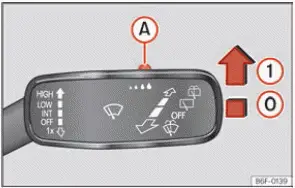
Fig. 75 Windscreen wiper lever: adjusting the rain sensor sensitivity using control A.
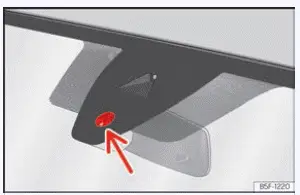
Fig. 76 Sensitive surface of the rain sensor on the windscreen.
The rain sensor automatically regulates the operation of the Seat Ibiza windscreen wipers according to the amount of moisture detected on the glass. Instead of requiring the driver to select a fixed wiping interval, the system monitors rainfall and adjusts the wiping frequency as conditions change. Light rain generally requires less frequent wiping, while heavier rainfall may cause the wipers to operate more often. This automatic adjustment helps maintain a clear view through the windscreen and reduces the need for repeated manual changes to the wiper settings.
To operate the rain sensor, move the windscreen wiper lever to the required position shown in Fig. 75. The lever allows the driver to deactivate automatic wiping or enable rain-sensitive operation. When the sensor is active, the wiping system responds to detected moisture, although the driver can still select a different wiper setting manually whenever necessary.
0 — Rain sensor deactivated. In this position, the automatic rain-sensing function is switched off. The windscreen wipers will not start automatically in response to rainfall. If water accumulates on the windscreen, the driver must select an appropriate wiping function using the wiper lever.
1 — Rain sensor activated. Selecting this position enables automatic windscreen wiping when the sensor detects sufficient moisture. The system determines when wiping is required and adjusts its operation according to the detected conditions. The actual wiping response also depends on the sensitivity setting selected using control A.
- Adjusting the rain sensor sensitivity. Control A on the Seat Ibiza wiper lever allows the
driver to change how readily the sensor responds to moisture on the windscreen. The adjustment affects the
point at which automatic wiping is triggered and how the system responds to changing rainfall conditions.
- Move the control to the right for higher sensitivity. With a higher sensitivity setting, the rain sensor responds more readily to moisture detected on the glass. This setting is useful when the driver prefers the wipers to react sooner as rain begins or when water starts to accumulate on the windscreen.
- Move the control to the left for lower sensitivity. A lower sensitivity setting makes the system less responsive to small amounts of moisture. The wipers will generally require a greater indication of rainfall before activating, allowing less frequent wiping when only a small amount of water is present.
If the ignition is switched off and subsequently switched on again, the rain sensor retains its activated setting. However, automatic wiping resumes only when the windscreen wiper lever remains in position 1, as illustrated in Fig. 75, and the Seat Ibiza is travelling at more than 16 km/h (10 mph). Once these conditions are met, the system can again respond automatically to moisture detected on the windscreen. The driver should not assume that the wipers will begin operating immediately after switching on the ignition, particularly while the vehicle is stationary or moving below the specified speed.
Abnormal operation of the rain and light sensor
The rain and light sensor relies on the condition of its sensitive surface and the surrounding windscreen area to interpret environmental conditions correctly. Contamination, damage or unusual deposits on the glass can interfere with its readings and cause unexpected wiper behaviour. The sensor may activate the wipers unnecessarily, respond later than expected or fail to recognise moisture accurately. The following conditions are among the possible causes of incorrect operation in the sensitive area identified in Fig. 76.
- Damaged or worn wiper blades: Wiper blades that are worn, damaged or no longer making proper contact with the windscreen may leave a continuous film of water across the glass. This remaining moisture can affect the sensor's interpretation of rainfall, causing a delay in activation, changes to the wiping intervals or unexpectedly rapid and continuous wiping. If the blades cannot clear the sensor area effectively, the automatic system may continue reacting to water that should already have been removed. Check the condition of the blades and replace them when they no longer clean the windscreen properly.
- Insects striking the windscreen: Insects hitting the glass near the sensor's sensitive surface may be interpreted as moisture or another change requiring wiping. As a result, the windscreen wipers may activate even when it is not raining. This occasional response does not necessarily indicate a fault in the rain sensor, but insect residue should be removed if it interferes with normal operation.
- Road salt: During winter, salt deposited on the windscreen from treated roads can affect the rain sensor's response. Even when the glass is almost dry, salt residue may cause the wipers to continue operating for an unusually long period. This can lead to unnecessary wiping and increased friction between the blades and the windscreen. Keeping the glass clean helps reduce interference from salt deposits and other winter road contaminants.
- Dirt, dust and surface coatings: Dry dust, wax deposits, water-repellent glass treatments
that produce a Lotus effect, and detergent residue left after washing the vehicle can all interfere with the
sensor's ability to detect moisture. Depending on the type and amount of contamination, the rain sensor may
become less sensitive, react more slowly, activate later than expected or fail to respond altogether.
Certain coatings can also change how water spreads across the windscreen, affecting the information
available to the sensor.
Clean the rain sensor's sensitive surface regularly, paying particular attention to the area indicated by the arrow in Fig. 76. Remove deposits that could interfere with the sensor's operation and inspect the windscreen wiper blades for wear or damage. Proper cleaning of both the glass and the blades helps the Seat Ibiza automatic wiping system respond more consistently to changing rainfall conditions.
- Cracks or stone impact damage to the windscreen: When the rain sensor is active, a stone striking the windscreen may trigger a single wiping cycle. Following the impact, the sensor can detect a change in its effective sensing surface and adjust its operation accordingly. The resulting behaviour depends on the extent and location of the damage, including the size of the area affected by the stone impact. A crack or damaged section of glass near the sensor may therefore cause the automatic wiping function to behave differently from normal.
WARNING The rain sensor cannot guarantee that every instance of rainfall or moisture accumulation will be detected correctly. Under certain conditions, it may respond too slowly, fail to activate the windscreen wipers or select a wiping frequency that does not provide sufficient visibility. The driver must continue to monitor the condition of the windscreen and must not rely exclusively on automatic wiping. Reduced visibility can make it difficult to recognise road hazards and other vehicles, increasing the risk of an accident.
- If rainwater, spray or other moisture obstructs the view through the windscreen, operate the wipers manually without waiting for the rain sensor to respond. Select a wiping speed appropriate for the conditions and ensure that the glass is sufficiently clear to maintain a safe view of the road. Manual intervention is necessary whenever the automatic function does not provide adequate visibility.
Note
- SEAT recommends using an alcohol-based glass cleaner to remove wax deposits and other coatings from the windscreen. These substances can alter the way moisture behaves on the glass and interfere with the rain sensor's detection of rainfall. Cleaning the relevant area thoroughly helps restore the normal condition of the sensing surface and supports reliable automatic wiping.
- Do not attach stickers, labels or other adhesive materials to the windscreen in front of the rain sensor. Even a small obstruction in the sensitive area can change the information received by the system and cause incorrect operation or complete failure of the automatic wiping function. Keep the sensor's field of view clear and free from objects that could interfere with its operation.
 Wiper lever
Fig. 74 Operating the windscreen wipers and rear window wiper system.
The windscreen and rear window wipers of the Seat Ibiza are operated using the control lever beside the steering
wheel. ...
 Mirrors
...
See also:
Honda Civic Service Manual. Keyless Buzzer Removal and Installation (With Keyless Access System)
1.
Rear Bumper
1.
Remove the screws (A), the bolts (B), and the clips (C, D) securing
the rear bumper (E).
2.
...
